Introduction
When a home feels right, you notice it instantly. The light lands softly, the furniture makes sense, and every corner feels inviting rather than forced. That is exactly why interior design drhomey has caught attention. It speaks to people who want beautiful spaces without making their homes feel cold, expensive, or overly staged.
Instead of treating design like a showroom exercise, this approach leans into comfort, balance, and daily living. The idea is simple: your home should look polished, but it should also support the way you actually cook, rest, work, gather, and move through each day. That balance between beauty and use appears again and again across DrHomey’s own site and related coverage of the term.
Many readers search this topic because they want more than trendy decor tips. They want guidance that feels practical. They want to know how to choose colors, furniture, lighting, and layouts that still look good a year from now. That is where this style becomes helpful.
What Interior Design DrHomey Means
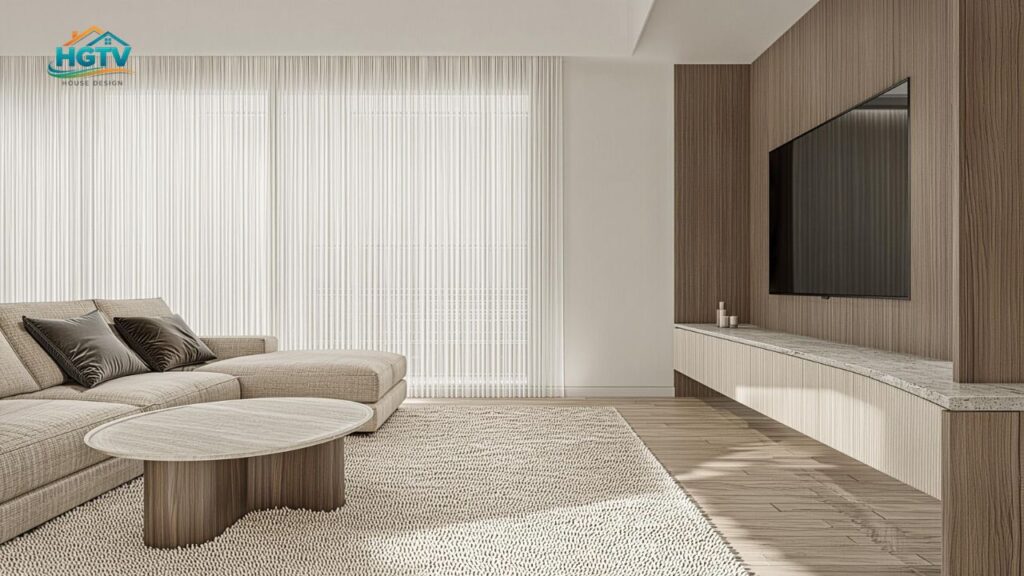
At its core, interior design drhomey describes a home styling approach built around warmth, simplicity, function, and visual ease. DrHomey’s own content centers on home improvement, interior spaces, and practical upgrades, while related articles describing the term consistently frame it as a style that favors comfortable layouts, smart storage, welcoming palettes, and everyday usability over clutter or rigid design rules.
That matters because many decorating trends look impressive online but fall apart in real life. A room can be fashionable and still feel awkward. A sofa can look luxurious and still be too large for the space. A color palette can appear elegant in photos and still drain warmth from the room. The DrHomey angle tends to avoid those mistakes by starting with the lived experience of the room first. That practical emphasis shows up in recent articles discussing color balance, storage, lighting, and realistic home upgrades tied to the term.
A clear definition
In simple terms, this style is about designing rooms that are:
easy to move through
pleasant to look at
comfortable to use daily
calm without feeling empty
organized without feeling strict
It is less about perfection and more about intention.
Why people connect with this style
People are drawn to it because it feels attainable. You do not need a huge budget or a full renovation to apply it. In most cases, better layout decisions, layered lighting, cleaner surfaces, softer colors, and a few well-chosen pieces make a bigger impact than buying more stuff.
The Core Principles Behind Interior Design DrHomey
The most useful way to understand this style is through its design principles. Once you understand those, you can apply them to any room in the house.
Thoughtful simplicity
Simplicity here does not mean boring. It means every item has a reason to be there. Rooms breathe better when they are not crowded. Furniture stands out more when it is not competing with too many accessories. Surfaces look calmer when they are edited instead of overloaded.
This is one reason so many descriptions of the term focus on uncluttered layouts and meaningful decor choices.
Comfort-first planning
A beautiful home should still feel easy to live in. That means chairs people actually want to sit in, walkways that are not blocked, bedrooms that help the mind slow down, and kitchens that make daily routines easier rather than harder.
Comfort-first planning also means paying attention to scale. A giant sectional can overwhelm a modest room. Tiny side tables can make a large living area feel unfinished. Good design often comes down to proportion.
[Image: Bedroom scene with soft beige walls, layered bedding, bedside lamps, and a simple upholstered bench]
Warm, balanced color use
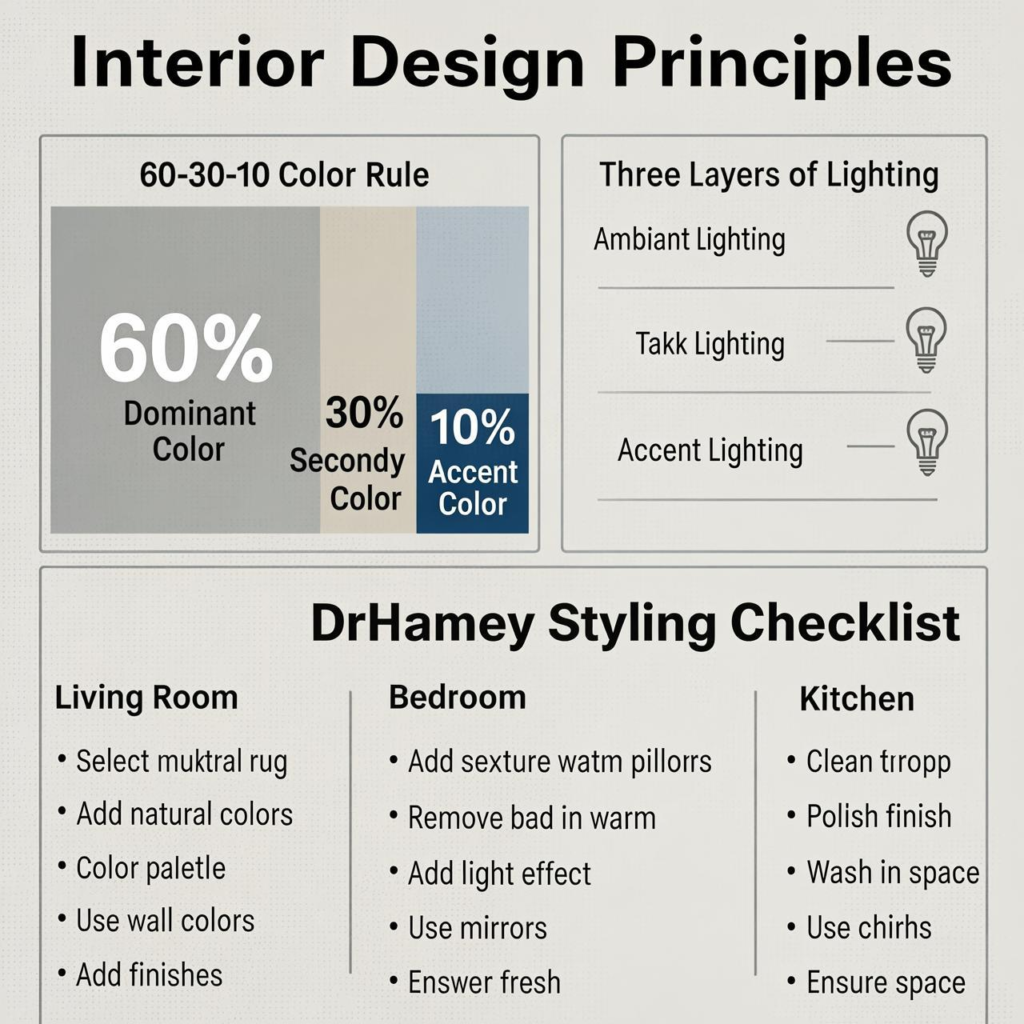
Recent pages connected to this term frequently mention neutral bases, warm undertones, and the 60-30-10 rule for color balance. That rule divides a room into a dominant color, a secondary color, and a smaller accent color to keep the space cohesive.
For most homes, that translates into a calm backdrop with a little contrast. Think soft whites, creamy beige, taupe, warm gray, muted sage, dusty blue, clay, or charcoal used in measured doses.
Useful beauty
A room should not make you choose between good looks and good function. A storage bench can be attractive. A dining pendant can set mood while still lighting the table properly. A console can style an entryway while also holding daily essentials. This blend of beauty and utility is a recurring theme in DrHomey-related interior content.
How to Bring This Style Into Your Home
You do not need to redo the entire house at once. In fact, the better approach is to start room by room, making decisions that support how each space is used.
Start with layout before decor
This is the step many people skip. Before buying anything new, study how the room flows.
Ask yourself:
Where do people enter and exit?
Is there enough walking space?
Does the furniture face the natural focal point?
Is the room trying to do too many things?
Which pieces earn their place, and which do not?
A better arrangement can make a room feel upgraded even before you change the palette or decor.
Build from a calm foundation
Walls, floors, large rugs, and major furniture pieces create the foundation. Keep those elements steady and versatile. Then bring in personality through artwork, cushions, throws, pottery, books, plants, and smaller accent pieces.
This keeps the room flexible. You can refresh the mood seasonally without replacing everything.
Layer textures, not clutter
One of the easiest ways to make a simple room feel rich is texture. This style works best when texture does the heavy lifting.
Try combining:
linen curtains
woven baskets
matte ceramic pieces
natural wood
boucle or cotton upholstery
soft rugs
brushed metal details
Texture creates depth. It makes neutral rooms feel finished rather than flat.
Interior Design DrHomey for Living Rooms
The living room is often where this style becomes most visible. It is the social heart of the home, but it also has to support quiet moments, media use, and everyday comfort.
Choose a focal point
Every successful living room needs one clear visual anchor. That might be a sofa wall, a fireplace, a statement light, or a large piece of art. Once the focal point is clear, the rest of the room becomes easier to arrange.
Keep seating conversational
Seats should feel connected. If furniture is pushed too far apart, the room looks disconnected. If everything is crammed together, it feels cramped. Good spacing allows comfort and conversation.
A helpful formula is to anchor the room with a rug large enough to connect the main seating pieces. That gives the layout purpose.
Use lighting at different levels
Several articles tied to this topic stress lighting as a major part of the look. Not just one ceiling fixture, but layered light from overhead sources, floor lamps, table lamps, and daylight.
A good living room usually includes:
ambient lighting for general brightness
task lighting for reading or focused use
accent lighting for atmosphere
Warm bulbs usually help the room feel softer and more inviting.
Interior Design DrHomey for Bedrooms
Bedrooms should feel quieter than the rest of the house. That does not mean plain. It means restful.
Keep the palette soft
Bedrooms respond well to low-contrast color stories. Gentle neutrals, warm whites, greige, muted earth tones, dusty rose, or washed green can make the space feel more grounded.
Make the bed the visual center
The bed should lead the room. Invest attention there first through bedding layers, a proper headboard, balanced side lighting, and one or two refined accent elements.
Reduce visual noise
Bedrooms feel better when open surfaces stay mostly clear. Too many decorative objects can make rest harder. Let a few good pieces speak instead of covering every surface.
Kitchens and Dining Spaces
This design style is especially useful in kitchens because function matters so much there.
Let workflow guide design
Articles associated with DrHomey often focus on practical kitchen decisions, including storage zones and time-saving organization.
That makes sense. A well-designed kitchen should support movement between prep, cooking, cleaning, and storage. Even a small kitchen can improve dramatically when items are grouped logically.
Make storage feel invisible
The best kitchen storage often looks effortless. Use trays, drawer dividers, pantry containers, under-sink bins, and cabinet organizers so the room feels cleaner without becoming sterile.
Soften hard surfaces
Kitchens already contain many hard materials. To keep them inviting, balance stone, tile, and metal with softer touches like wood stools, linen runners, warm lighting, and simple greenery.
Small-Space Tips That Fit the DrHomey Approach
This style works especially well in apartments and compact homes because it rewards clear thinking more than large square footage.
Use furniture with more than one job
Choose pieces that do extra work, such as:
storage ottomans
nesting tables
beds with drawers
benches with hidden compartments
expandable dining tables
Protect open floor area
A small room feels larger when the floor remains visible. Avoid unnecessary pieces. Give furniture breathing room. Choose scale carefully.
Hang curtains higher
Curtains mounted closer to the ceiling can make a room feel taller. This is a classic move, but it still works because it changes proportion in a subtle way.
Use mirrors carefully
A mirror can widen or brighten a room when it reflects light or a pleasing view. It works best when placed with intention, not just because every small-space guide recommends it.
Common Mistakes to Avoid
Even a good concept can fail if the execution is rushed.
Buying before planning
Impulse purchases create design problems. Measure first. Test placement first. Decide what the room needs before browsing.
Following trends too literally
A trend can inspire, but it should not dictate the whole room. Homes last longer when they reflect the people living in them, not just what is circulating online this month.
Using lighting as an afterthought
Poor lighting can flatten the best furniture and colors. Good lighting changes mood, function, and depth.
Overdecorating open surfaces
Not every shelf, table, or wall needs filling. Leaving some visual space actually helps the eye appreciate what is there.
Budget-Friendly Ways to Get the Look
One reason this style keeps getting discussed is that it feels doable. You can move toward it gradually.
Make the biggest changes first
Focus on the items that shift the room most:
paint
lighting
rugs
curtains
furniture arrangement
These usually transform the experience faster than small accessories.
Shop with a plan
Create a mini design direction for each room. Decide your palette, mood, and must-haves before spending. That reduces waste and keeps the room coherent.
Mix new pieces with old ones
Not everything needs replacing. A dated chair might look fresh with new upholstery. A plain dresser might work beautifully with updated hardware. A vintage side table can add warmth to a modern room.
FAQ
What is interior design drhomey?
It is a practical home styling approach associated with warm, functional, and visually balanced interiors. Coverage of the term and DrHomey’s own content consistently connect it with comfortable spaces, simple layouts, and useful design choices.
Is interior design drhomey only for modern homes?
No. It fits modern spaces well, but its ideas also work in traditional, transitional, and mixed-style homes because the focus is on comfort, flow, and purpose rather than one strict look.
What colors suit this style best?
Soft neutrals and warm undertones are the most common choices in articles covering the term, often paired with modest accent colors for contrast.
Does this style work in small apartments?
Yes. In fact, it often works especially well in smaller homes because it values clean layouts, storage, and visual balance over excess furniture or decoration.
How many colors should I use in one room?
A simple method mentioned in related content is the 60-30-10 rule, which divides color use into a main shade, a supporting shade, and a smaller accent.
What type of lighting fits best?
Layered lighting usually works best. That means combining overall room lighting with task lighting and softer accent light instead of relying on one ceiling fixture.
Do I need expensive furniture to create this look?
No. The effect comes more from scale, layout, texture, and cohesion than from price. Good planning usually matters more than buying luxury pieces.
Can I mix this style with existing decor?
Yes. Start with the layout, simplify what feels crowded, and use color and lighting to create more consistency. You do not need a complete reset.
Conclusion
A well-designed home should never feel like a performance. It should support your routines, lift the mood of the room, and still feel like you. That is the appeal of interior design drhomey. It offers a way to create spaces that are warm, useful, calm, and visually put together without becoming stiff or overdone.
The best part is that you do not need to chase perfection to make it work. Begin with one room. Improve the layout. Edit what feels excessive. Add lighting with intention. Choose colors that soften the space. Bring in texture. Keep what serves you. Let go of what does not. Over time, the home starts feeling less like a collection of things and more like a place that truly fits your life.