
Introduction
A beautiful home rarely happens by accident. The rooms that feel warm, balanced, and memorable usually reflect thoughtful choices, and that is exactly where home decorators make a real difference. They do more than make a room look pretty. They shape the way a space feels, functions, and supports daily life.
Whether you are refreshing one room or planning a full home update, smart decorating can save time, prevent expensive mistakes, and help every corner feel more intentional. Good design is not only about trends. It is about comfort, flow, personality, and making a place feel like it truly belongs to you.
Many people assume decorating is just about matching pillows to curtains or picking a trendy wall color. In reality, it involves proportion, lighting, texture, scale, storage, mood, and how people move through a room. When these details work together, even a simple home can feel polished and welcoming.
This guide explains what decorators do, how to choose the right approach for your space, and how to create a home that feels stylish without feeling forced.
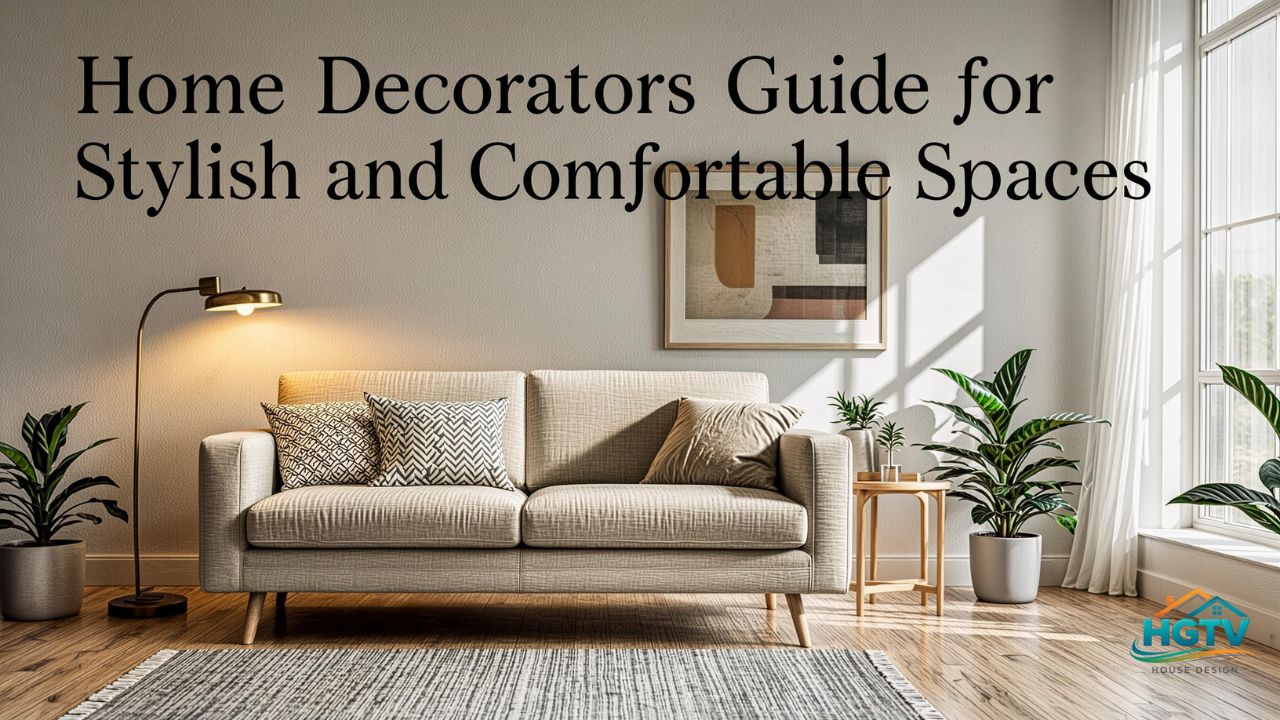
![Image placeholder: A bright, well-styled living room showing layered textures, natural light, and balanced furniture placement.]
What home decorators really do
The term home decorators often gets used loosely, but their role is more practical and valuable than many people realize. A decorator focuses on the visual and functional feel of an existing space. That means working with furniture, color, finishes, fabrics, lighting, artwork, and layout to improve the overall atmosphere of a home.
Unlike a contractor or architect, a decorator usually does not change the structure of the building. Instead, they improve what is already there. They may suggest a better furniture arrangement, choose a color palette, bring in softer lighting, add texture through rugs and textiles, or create a more cohesive look from room to room.
Their work often includes:
- Selecting colors and finishes
- Recommending furniture and decor pieces
- Styling shelves, tables, and walls
- Improving layout and flow
- Creating a consistent look across rooms
- Blending function with personality
This is why skilled home decorators can have such a strong impact even without a full renovation. They help spaces look finished, live better, and feel more personal.
Home decorator vs interior designer
People often mix up decorators and interior designers, but they are not always the same.
An interior designer may work on construction planning, technical drawings, built-in features, and code-related details, depending on their training and region. A decorator usually focuses on aesthetics, furnishings, and visual comfort after the structural work is done.
That does not make one better than the other. It simply means they solve different problems. If your walls, plumbing, or floor plan need major work, a designer or contractor may be necessary. If your home feels dull, disconnected, or unfinished, decorators are often the perfect fit.
Why decorating matters more than people think
A well-decorated home affects more than appearance. It influences mood, focus, relaxation, and even how people connect with each other. A cramped room can feel stressful. A dim room may feel lifeless. A room with no visual balance can feel restless, even when everything in it is expensive.
Thoughtful decorating helps create:
- Calm in bedrooms
- Conversation in living rooms
- Practical flow in kitchens
- Warmth in entryways
- Focus in work areas
When design choices support the purpose of the room, a home feels easier to live in.
The qualities of great home decorators
Not all decorators bring the same value. The most effective ones combine taste with observation. They do not just push a trend. They pay attention to how a person lives, what the home needs, and what feeling the space should create.
Great home decorators usually have a few traits in common.
They listen before they style
A strong decorator asks the right questions. Do you host often? Do you have children or pets? Do you need hidden storage? Do you love clean lines or softer, layered rooms? These details matter because decorating should serve real life, not just photos.
They understand scale and proportion
A room can fail even with beautiful furniture if the size is wrong. A sofa that is too large can crowd a space. Tiny art on a wide wall can feel lost. A rug that is too small can make the room look unfinished. Good decorators know how objects relate to one another and to the room itself.
They know how to build visual balance
Decorating is not about filling empty spaces randomly. It is about contrast and harmony. A room feels stronger when smooth surfaces meet soft fabrics, dark tones meet light tones, and simple shapes meet a few statement pieces.
They respect the client’s lifestyle
The best results come when style matches daily habits. A home should not feel like a showroom that nobody can use. The strongest home decorators know how to create beauty that still feels lived in.
![Image placeholder: A simple infographic showing the decorating process from consultation to color palette, furniture plan, styling, and final room setup.]
How home decorators shape each room
Every room has a different purpose, so the decorating choices should shift with it. A home feels more natural when each room has its own function and mood while still connecting to the larger look of the house.
Living room decorating
The living room often sets the tone for the entire home. It is where people relax, host, talk, and spend shared time. Decorators usually begin with the layout because poor placement can make even an attractive room feel awkward.
Key elements include:
- A clear focal point such as a fireplace, media unit, or statement art
- Seating that supports conversation
- A rug large enough to anchor the arrangement
- Lighting at different levels
- Accent textures through cushions, throws, and curtains
The goal is to make the room feel welcoming without cluttering it.
Bedroom decorating
Bedrooms need calm. That does not mean they have to be plain, but the room should support rest. Soft color palettes, layered bedding, gentle lighting, and limited visual noise often work best.
Decorators may use upholstered headboards, balanced bedside lighting, textured linens, and warm materials to create comfort. Storage also matters here. A beautiful bedroom quickly loses its charm if it cannot handle daily use.
Kitchen and dining areas
Decorating in kitchens and dining spaces often leans practical. These areas need to feel fresh, clean, and easy to move through. Decorators may use stools, pendant lighting, table styling, wall art, plants, and simple textile choices to soften hard surfaces and bring warmth.
In open-plan homes, the kitchen and dining area also help link the style of the whole house. This is where color consistency and material choice become especially important.
Entryways and small corners
Some of the most overlooked spaces make the biggest first impression. A narrow hallway, entry console, reading nook, or staircase landing can add real personality when treated with care.
Even a small area can benefit from:
- A mirror for light and depth
- A slim console or bench
- Thoughtful wall art
- A lamp or sconce
- A tray or basket for daily essentials
Skilled home decorators know that these small details often make a home feel complete.
Choosing a decorating style without boxing yourself in
Many homeowners worry about choosing the “right” style. The truth is that few real homes fit neatly into one label. Most beautiful interiors blend influences. The goal is not to copy a style word for word. It is to build a home that feels coherent and true to your taste.
Modern
Modern interiors often favor clean lines, open space, and a less-is-more approach. Furniture tends to be simple, with a focus on shape and function. Color palettes are often restrained, though contrast can add energy.
Traditional
Traditional rooms usually feel classic, layered, and familiar. You may see richer wood tones, detailed furniture, elegant textiles, and more symmetry. This style works well for people who want warmth and a timeless look.
Contemporary
Contemporary decorating reflects current tastes, but it is usually softer and more flexible than pure modern design. It often mixes clean shapes with comfort, curves, and updated materials.
Rustic and farmhouse
These styles bring warmth through natural textures, wood finishes, woven details, and comfortable shapes. When handled well, they feel grounded and inviting. When overdone, they can feel themed. Balance matters.
Eclectic
Eclectic spaces mix periods, materials, and influences in a way that still feels intentional. This takes confidence and restraint. The room needs a thread connecting everything, whether that is color, shape, scale, or tone.
The smartest home decorators do not trap homeowners inside a label. They use style as a guide, not a cage.
The decorating elements that matter most
Decorating success usually comes down to getting a few basics right. Expensive items alone do not create a beautiful room. The foundation matters more.
Color palette
Color sets mood faster than almost anything else. Soft neutrals can feel calm and open. Dark shades can feel intimate and dramatic. Earth tones often feel grounded. Muted greens and blues bring a sense of quiet.
A good palette usually includes:
- A dominant base color
- A secondary supporting tone
- One or two accent shades
- A mix of warm and cool balance
The most effective color stories feel connected from room to room.
Lighting
Poor lighting can flatten a room, while layered lighting can transform it. Decorators often combine overhead lighting with table lamps, floor lamps, sconces, and candles to create depth.
Natural light also matters. Window treatments should frame and soften the room without blocking light unnecessarily.
Texture
Rooms feel richer when they include a mix of textures. Think linen curtains, velvet cushions, wood tables, woven baskets, ceramic vases, and soft rugs. Texture prevents a room from feeling flat, especially when the color palette is simple.
Furniture layout
A good layout creates movement and comfort. There should be enough space to walk easily, sit comfortably, and use the room naturally. This is one area where experienced decorators often outperform homeowners working alone.
![Image placeholder: A styled bedroom corner with layered bedding, a textured rug, soft lamp light, and a balanced mix of wood and fabric.]
Budget-friendly ways to decorate like a professional
You do not need an unlimited budget to create a beautiful home. Many excellent home decorators know how to stretch money by focusing on the choices that change a room most.
Start with the biggest visual anchors
Spend more attention on the pieces that set the tone, such as:
- Sofa
- Rug
- Bed
- Dining table
- Curtains
- Paint color
When these are right, smaller details become easier.
Mix high and low pieces
Not every item needs to be premium. A room often looks more interesting when you mix one or two stronger pieces with affordable finds. Vintage items, secondhand furniture, local markets, and simple accessories can add character without inflating the budget.
Paint is still one of the best upgrades
A fresh coat of paint can completely change how a room feels. It can brighten a dull room, soften a harsh one, or create a more pulled-together look across connected spaces.
Declutter before buying more
Sometimes the room does not need more decor. It needs less distraction. Removing visual clutter can make the remaining furniture and styling look better instantly.
Reuse what already works
A decorator may repaint an old table, recover dining chairs, move art from one room to another, or restyle shelves using what the homeowner already owns. Fresh perspective can be more valuable than a shopping list.
Common decorating mistakes to avoid
Even good intentions can lead to rooms that feel off. Many decorating mistakes are easy to fix once you know what to look for.
Buying everything at once
A home with character often develops over time. Rushing to fill every corner usually leads to generic choices or items that do not fit together well.
Choosing a rug that is too small
This is one of the most common issues in living rooms and bedrooms. A rug that barely touches the furniture can make the whole room feel disconnected.
Ignoring lighting layers
One central ceiling light is rarely enough. Rooms need softer, more varied light to feel warm and inviting.
Pushing trends too hard
Trends can be fun, but they age quickly when used everywhere. It is usually better to keep larger pieces classic and use trend-based items in smaller accents.
Forgetting comfort
A room that photographs well but feels stiff or impractical will not satisfy for long. Strong home decorators know that comfort is not separate from beauty. It is part of it.
How to choose the right home decorators for your project
If you are thinking of hiring help, choosing the right person matters as much as the budget. A decorator should understand your taste, communicate clearly, and know how to turn ideas into decisions.
Review their past work carefully
Look for consistency, not just one beautiful room. Ask yourself:
- Do their spaces feel livable?
- Can they work in different styles?
- Do they understand balance and scale?
- Do their projects look finished rather than staged?
Ask about process
A good decorator should explain how they work. That may include consultation, mood boards, layout planning, sourcing, styling, and final installation. Clear process often means fewer misunderstandings.
Be honest about budget and expectations
The best results come when both sides are realistic. Share your budget range early. Mention practical concerns. Explain what you want the room to feel like, not just what you want it to look like.
Choose someone who respects your taste
The role of decorators is not to erase your personality. It is to refine and strengthen it. The best fit is someone who can guide you without taking over completely.
FAQ
What do home decorators do in a house?
They improve the appearance and feel of existing spaces through color, furniture, lighting, textiles, accessories, and layout. Their work focuses on making rooms more attractive, comfortable, and cohesive.
Are home decorators the same as interior designers?
Not always. Decorators usually focus on styling and visual improvement, while interior designers may also handle structural planning, technical details, and larger renovation work.
How much should I budget for a decorator?
It depends on the project size, location, and level of service. Some decorators charge hourly, while others charge by room or by project. Small room styling may cost far less than full-home planning and sourcing.
Can home decorators work with a small budget?
Yes. Many decorators help prioritize spending, reuse existing pieces, and find practical alternatives that still create a polished result.
Is hiring a decorator worth it for one room?
Yes, especially if that room feels difficult to finish or keeps leading to costly trial and error. Even one well-planned room can improve daily comfort and confidence in your home.
How do I know my decorating style?
Start by noticing what spaces you are drawn to repeatedly. Look at the colors, materials, mood, and furniture shapes you save most often. Your style is usually visible in patterns you already like.
Can decorators help with small spaces?
Absolutely. Small rooms often benefit the most from thoughtful layout, scale control, and storage-friendly styling. Good decorating can make a compact room feel more open and useful.
What should I prepare before meeting a decorator?
Bring inspiration images, room measurements, a rough budget, and a clear explanation of how you use the space. Sharing what is not working is just as useful as sharing what you like.
Conclusion
A well-decorated home is not about perfection. It is about making each room feel right for the people living in it. The best spaces are not always the most expensive or the trendiest. They are the ones that feel balanced, useful, comfortable, and full of quiet personality.
That is why home decorators continue to matter. They help turn scattered ideas into spaces that feel complete. Whether you hire a professional or apply these ideas yourself, the real goal stays the same: create a home that looks beautiful, works well, and feels good to come back to every day.