
Introduction
A beautiful home does not always begin with a big budget. Sometimes, it begins with one fresh idea, one small shift, or one moment when you finally see your space differently. That is where drhomey interior design starts to feel useful, not as a trend, but as a practical way to create rooms that look good and feel even better.
Many people want a home that feels calm, stylish, and personal, yet they struggle to bring everything together. One room feels too plain, another feels crowded, and some spaces never seem finished. The good news is that good design is not magic. It is a mix of thoughtful choices, balance, comfort, and function.
What makes this topic worth your attention is simple. Your home affects your mood, your focus, your routine, and even the way you host other people. A well-designed space can make everyday life easier. It can help a small room feel bigger, a dark corner feel warmer, and an ordinary home feel far more intentional.
This guide breaks down how to approach design in a way that feels realistic. From color planning and furniture placement to lighting, texture, and room-by-room ideas, you will see how drhomey interior design can turn scattered inspiration into a home that actually works for your life.
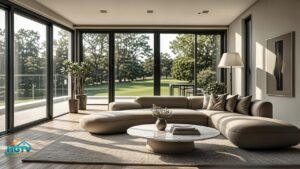
[Image: Bright modern living room with layered textures, soft lighting, and a balanced furniture layout]
What Is Drhomey Interior Design?
Defining drhomey interior design in simple terms
At its core, drhomey interior design is an approach to home styling that blends comfort, visual appeal, and practical living. It is not about copying luxury homes or filling every room with expensive pieces. It is about designing spaces that feel polished while still being useful and personal.
This style approach usually focuses on a few strong principles:
Comfort comes first
Function matters as much as appearance
Every room should have visual balance
Color, texture, and lighting should work together
The home should reflect the people living in it
Instead of decorating without a plan, this approach encourages thoughtful choices. That means selecting furniture that fits the room, using colors that support the mood you want, and avoiding clutter that makes a space feel heavy.
Why this design approach connects with modern homeowners
People today want more from their homes. A living room may also need to work as a meeting area. A bedroom may need to feel restful and productive at the same time. A dining area might double as a study zone. Homes have become more flexible, and design needs to keep up.
That is one reason drhomey interior design appeals to so many people. It supports real life. It does not treat style and practicality as separate things. Instead, it brings them together in a way that feels warm and livable.
The Core Principles Behind a Well-Designed Home
Function before decoration
A room should work before it tries to impress. This is one of the most overlooked parts of interior design. A stylish chair that nobody wants to sit in is not helping the room. A coffee table that blocks movement is not improving the layout. Good design starts with use.
Ask simple questions first:
How is this room used every day?
Who uses it most?
What feels awkward or unfinished right now?
What needs to be easier?
These answers shape better design choices. Once the function is clear, decoration becomes far more effective.
Balance and visual rhythm
Every room needs balance. That does not mean everything has to match. It means the room should feel steady and comfortable to the eye. If one side feels too heavy or one corner looks too empty, the whole room can feel off.
Balance often comes from:
- Mixing large and small pieces
- Repeating colors in different areas
- Spacing furniture properly
- Using height variation through lamps, shelves, or artwork
Visual rhythm is created when the eye moves naturally through a room. A repeated wood tone, a recurring fabric color, or a consistent shape can help the space feel connected.
[Image: Infographic showing the five pillars of interior design: layout, color, lighting, texture, and scale]
Drhomey Interior Design and Color Psychology
How color changes the feel of a room
Color is not just decorative. It shapes the emotional tone of a space. Warm tones can make a room feel inviting. Cool tones can make it feel calm. Soft neutrals often create flexibility, while deeper colors add mood and depth.
Here is a basic guide:
- White and off-white: clean, open, airy
- Beige and warm taupe: soft, grounded, welcoming
- Gray: modern, calm, versatile
- Blue: peaceful, steady, relaxing
- Green: fresh, balanced, natural
- Terracotta and rust: earthy, warm, rich
- Black accents: sharp, elegant, dramatic
The right palette depends on the room and the feeling you want. A bedroom usually benefits from restful tones. A dining room can handle something deeper and richer. A small room may feel brighter with light colors, but it can also feel striking with one dark statement wall when balanced properly.
Building a color palette that feels intentional
A useful way to build a palette is the 60-30-10 rule:
60% main color for walls or large surfaces
30% secondary color for furniture or rugs
10% accent color for cushions, art, or decor
This keeps a room from feeling random. It gives structure without making the space look overly controlled. In drhomey interior design, color is often layered gently rather than used in harsh contrast. That creates a softer, more welcoming result.
Layout Matters More Than Most People Think
The role of spacing and flow
Many homes do not have a decor problem. They have a layout problem. Furniture that is too large, too close together, or pushed into the wrong spots can make even a lovely room feel uncomfortable.
A strong layout supports movement. People should be able to walk naturally through the room without squeezing past chairs or turning sideways around tables. Good flow makes a space feel bigger and calmer.
A few layout rules make a big difference:
Leave clear walking paths
Avoid blocking natural light
Keep conversation areas connected
Use rugs to define zones
Choose furniture scaled to the room
Common layout mistakes to avoid
Some errors show up again and again in homes:
Pushing all furniture against the wall
Using tiny rugs that make furniture feel disconnected
Overfilling corners with decor
Ignoring vertical space
Choosing furniture before measuring
A better approach is to start with the largest piece, often the sofa or bed, and build around it. This helps create an anchor. From there, add support pieces that serve both function and style.
Choosing Furniture That Looks Good and Lives Well
Focus on proportion and scale
A sofa may look perfect in a showroom and completely overwhelm a smaller living room. This is why scale matters so much. Good furniture should fit the room, not dominate it.
When selecting furniture, pay attention to:
Overall room dimensions
Ceiling height
Door and walkway clearance
Existing architectural features
Visual weight of each piece
Furniture with raised legs often feels lighter. Bulky arms and oversized bases feel heavier. Glass, cane, open shelving, and slim frames help small rooms breathe.
Invest in the pieces that matter most
Not every item needs a large budget. Still, some pieces are worth prioritizing. In most homes, these include:
Sofa
Mattress and bed frame
Dining chairs
Main area rug
Quality lighting
These items affect daily comfort and shape the room visually. Smaller decor can be added slowly over time, but foundational pieces should feel reliable and well chosen.
Lighting: The Quiet Hero of Great Design
Why one ceiling light is never enough
Lighting is often treated as an afterthought, yet it changes everything. A room with poor lighting can feel flat even if the furniture is beautiful. A room with layered lighting feels softer, richer, and more complete.
Good lighting usually comes from a mix of three types:
Ambient lighting
This is the general light source in a room, such as ceiling fixtures, recessed lights, or chandeliers.
Task lighting
This supports specific activities like reading, cooking, or working. Table lamps, desk lamps, and under-cabinet lighting fall into this group.
Accent lighting
This adds mood and emphasis. Wall sconces, picture lights, or soft lamps in corners help a room feel styled and warm.
Making rooms feel more inviting with light
To improve lighting quickly:
Add a floor lamp to empty corners
Use warm bulbs instead of harsh cool white light
Place lamps at different heights
Let natural light stay open during the day
Use mirrors to reflect brightness
In drhomey interior design, lighting is not just about seeing clearly. It is about building atmosphere.
Texture, Materials, and Layering
Why texture makes a room feel finished
A room with the right colors can still feel flat if every surface looks the same. Texture adds depth. It gives a room warmth, softness, and contrast without needing too many colors.
Useful textures include:
- Linen curtains
- Wool or woven rugs
- Velvet cushions
- Wooden tables
- Ceramic vases
- Rattan baskets
- Matte metal accents
Layering these materials gives the eye more to enjoy. It also makes the room feel designed rather than merely furnished.
Mixing materials without creating clutter
A simple formula works well:
One grounding material, like wood
One soft material, like cotton or linen
One contrasting element, like metal or glass
One natural accent, like stone or woven fiber
This kind of balance helps drhomey interior design feel calm and rich at the same time. The room gets personality without becoming too busy.
Room-by-Room Ideas for Better Interior Design
Living room
The living room often sets the tone for the whole home. It should feel welcoming, functional, and easy to relax in.
Smart ideas include:
- Anchor the room with a large rug
- Use a coffee table with both style and storage
- Add cushions in mixed textures, not random patterns
- Include one statement piece, such as artwork or a sculptural lamp
- Keep surfaces partly clear to avoid visual noise
Bedroom
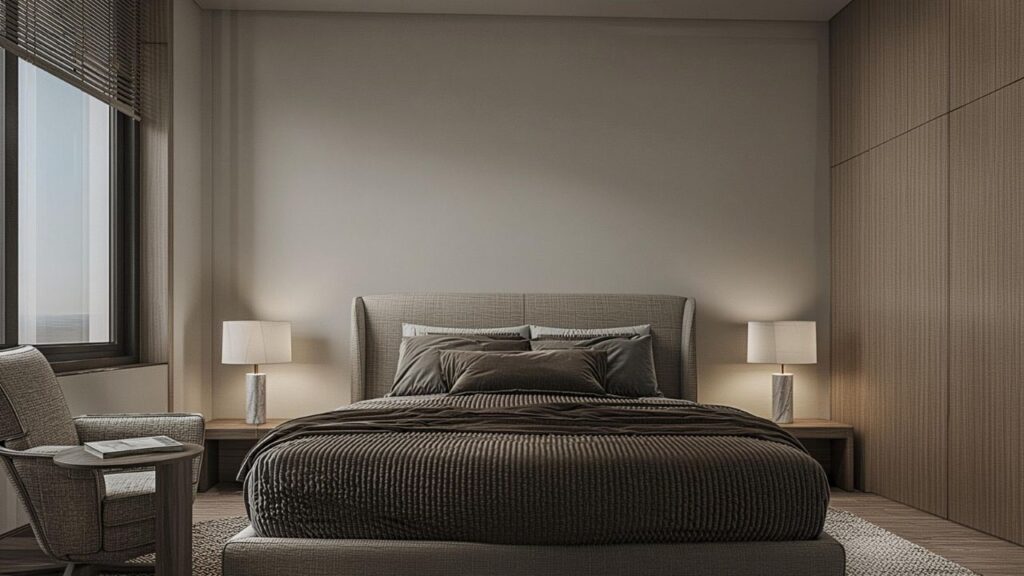
A well-designed bedroom should support rest first. It does not need too much furniture or too many colors.
Try these ideas:
- Use layered bedding in two or three tones
- Choose blackout curtains if sleep is a priority
- Add soft bedside lighting
- Keep decor calm and limited
- Introduce texture through throws, upholstered headboards, or rugs
Kitchen
Even a simple kitchen can feel elevated with a few design choices.
Focus on:
- Clear counters
- Warm lighting
- Coordinated containers
- A balanced mix of practical and decorative items
- Hardware and finishes that complement one another
Bathroom
Bathrooms benefit from clean lines and subtle detail.
Easy upgrades include:
- Matching dispensers and trays
- Better mirrors
- Soft towels in a cohesive color palette
- Warm light fixtures
- Natural elements like wood or stone accessories
Small Space Strategies That Actually Work
Making compact rooms feel open
Smaller homes can feel beautiful and efficient when each item earns its place. The secret is not emptiness. It is intention.
Effective small-space tips include:
- Use mirrors to expand visual depth
- Pick multifunctional furniture
- Keep window treatments light and simple
- Use vertical storage
- Stick to a limited color palette
Furniture that exposes a little floor beneath it can also make the room feel less crowded. Visual breathing room matters.
Avoiding the small-space trap
One of the biggest mistakes in small rooms is filling them with tiny furniture. That can make the room feel scattered. Sometimes one well-scaled sofa works better than several small chairs. The same goes for art and rugs. A few stronger pieces often create a cleaner result.
This is where drhomey interior design feels especially helpful. It encourages editing, not just adding.
Personal Style Without Losing Cohesion
How to make a home feel like yours
A stylish room should still feel personal. Otherwise, it may look polished but emotionally flat. The best interiors include pieces that connect to the people living there.
That may include:
- Books you actually read
- Travel objects with meaning
- Family photos in simple frames
- Handmade ceramics
- Vintage pieces with character
The goal is not to fill every shelf with souvenirs. It is to let the home reflect your life in a thoughtful way.
Creating cohesion across the house
A home feels more refined when the rooms relate to one another. They do not need to match exactly, but they should feel connected.
You can create that connection through:
- Repeated accent colors
- Similar wood tones
- Consistent hardware finishes
- Shared textile styles
- A common design mood
This helps the home feel complete rather than disconnected room by room.
Budget-Friendly Ways to Improve Any Room
Changes that make a visible difference
Not every upgrade requires renovation. Many design improvements are affordable when chosen carefully.
Consider these moves:
- Repaint walls in a softer or warmer tone
- Change outdated light fixtures
- Replace mismatched cushions
- Add a larger rug
- Use better curtains with more length
- Declutter open surfaces
- Rearrange furniture for better flow
Small edits often create the biggest visual relief. The room starts to feel more intentional almost immediately.
Where to save and where to spend
Save on:
- Trend-driven accessories
- Small decor items
- Seasonal styling pieces
- Basic side tables if quality is acceptable
Spend more on:
- Seating used daily
- Beds and mattresses
- Good rugs
- Lighting that changes the room
- Storage pieces that need to last
A smart budget is less about buying less and more about buying better where it matters.
FAQ
What makes drhomey interior design different from general home decor?
Drhomey interior design goes beyond surface styling. It focuses on how a home looks, feels, and functions together. Instead of adding random decorative items, it builds a space around layout, comfort, lighting, texture, and practical daily use.
Can drhomey interior design work in small apartments?
Yes, it works especially well in small apartments because it values function and thoughtful layout. Small spaces benefit from careful furniture choices, limited clutter, smart lighting, and colors that help the room feel open and calm.
Do I need a large budget to use drhomey interior design ideas?
No. A larger budget may give you more choices, but good design is often about planning rather than spending. Rearranging furniture, improving lighting, repainting walls, and simplifying decor can make a strong difference.
Which room should I start with first?
Start with the room you use the most or the one causing the most frustration. For many people, that is the living room or bedroom. Beginning with one space makes the process easier and helps you build confidence before moving through the rest of the home.
How often should I update my interior design?
You do not need to redesign your home every year. Large foundation pieces should last for many years. Smaller updates like textiles, wall color, lighting, and accessories can be refreshed when your needs or taste change.
What colors work best in this design approach?
That depends on the room and the mood you want, but warm neutrals, muted greens, soft blues, earthy browns, and off-whites work well. These shades tend to feel calm, timeless, and easy to layer with other materials.
Is minimalism necessary for a stylish home?
No. A stylish home does not need to be minimal. It needs to feel balanced. Some people prefer cleaner spaces, while others enjoy layered rooms with books, art, and collected items. The goal is intention, not emptiness.
How can I make my home feel more luxurious without overspending?
Focus on details that raise the overall feel of the room. Better lighting, longer curtains, cohesive color choices, textured fabrics, and fewer but better-looking accessories can make a home feel more refined without major cost.
Conclusion
A home starts to change when you stop treating design as decoration alone and start seeing it as a way to shape daily life. The rooms you live in should support comfort, reflect your taste, and make ordinary routines feel a little better. That is the real strength of drhomey interior design. It is not about chasing perfection. It is about making your space feel intentional, balanced, and truly livable.
Whether you begin with color, layout, lighting, or one single room, the best results usually come from small thoughtful decisions made consistently. When those decisions work together, a home feels more peaceful, more useful, and far more beautiful.