Introduction
A blank wall can make even a beautiful home feel unfinished. That is why wainscoting ideas keep showing up in stylish homes, cozy apartments, and high-end renovations alike. They add shape, texture, and personality in a way that paint alone rarely can.
Wainscoting is more than decorative trim. It can make a room feel taller, warmer, cleaner, and more thoughtfully designed. It also works in almost every space, from formal dining rooms to relaxed bedrooms and busy hallways.
The best part is that there is no single look you have to follow. You can go classic with raised panels, simple with Shaker-style frames, or bold with dark paint and dramatic contrast. Whether your style leans traditional, modern, farmhouse, or somewhere in between, there is a version that fits.
If you have been saving inspiration but still feel unsure where to start, this guide walks through practical, stylish, and realistic options that help you choose with confidence.
What Is Wainscoting and Why Does It Work So Well?
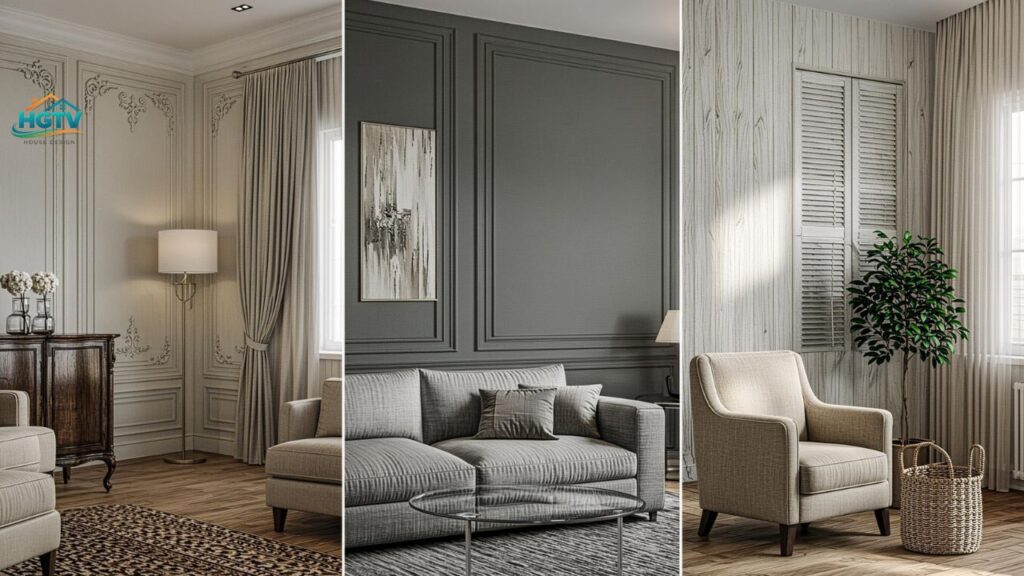
Wainscoting is decorative wall treatment installed on the lower section or, in some cases, across the full height of a wall. It often includes panels, trim, rails, or molding that create visual structure. Historically, it helped protect walls from wear and moisture. Today, it still does that job, but it is mostly loved for the character it adds.
It works so well because it changes the scale of a room. A plain wall can feel flat and empty, while a paneled wall instantly looks layered and intentional. It can make compact rooms feel polished and make large rooms feel less cold.
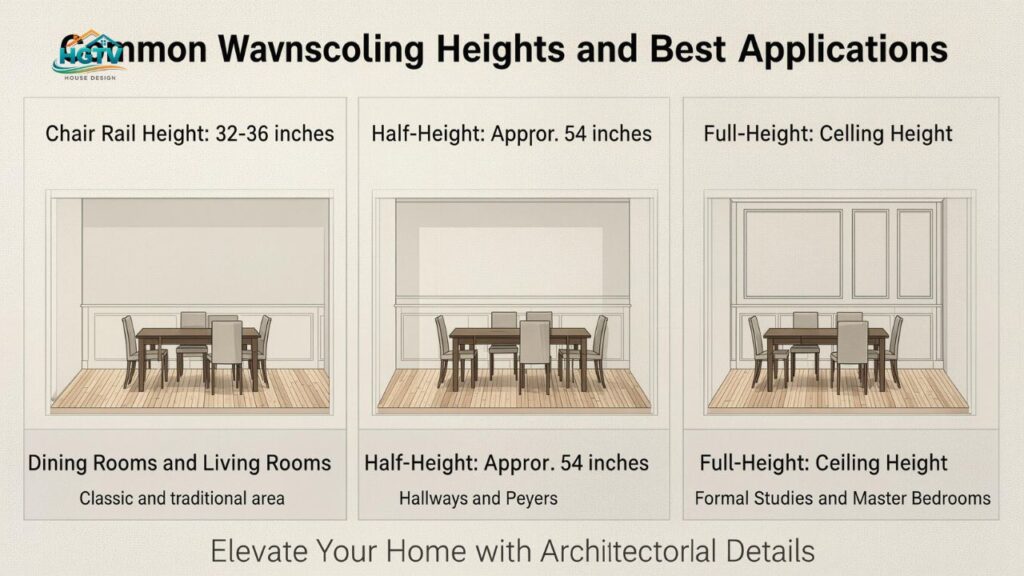
Another reason homeowners love it is flexibility. You can install it at chair-rail height for a traditional look, bring it up two-thirds of the wall for a designer feel, or cover the entire wall for a rich, custom finish. That range is what makes wainscoting ideas so useful for both subtle refreshes and dramatic transformations. Improveville.org shares simple health, wellness, fitness, nutrition, skincare, and lifestyle tips to help readers make better daily choices for a healthier life.
How to Choose the Right Wainscoting Style
Think About Your Home’s Architecture
Before choosing a panel pattern, look at the structure already in your home. Crown molding, baseboards, ceiling height, door trim, and flooring all matter. A very ornate raised panel may feel perfect in a classic home but out of place in a sleek modern apartment.
If your home has simple lines, flat panel or board and batten styles usually blend more naturally. If your space already has traditional trim, more detailed molding often feels right at home.
Match the Mood of the Room
Every room asks for something slightly different. A dining room can handle a more formal layout. A mudroom needs durability. A powder room can be playful and bold. A bedroom usually feels better with a softer, calmer treatment.
That is why smart wainscoting ideas start with mood as much as style. Ask yourself whether you want the room to feel elegant, cozy, airy, dramatic, or tailored.
Consider Ceiling Height and Wall Size
In low-ceiling rooms, overly tall panels can crowd the space. In large rooms with wide walls, tiny panel boxes may look too busy. The proportions need to feel balanced.
As a rough guide:
Standard-height wainscoting often lands around one-third of the wall
More dramatic versions can reach halfway or two-thirds up
Full-wall paneling works best when the design is clean and proportional
Best Wainscoting Ideas by Room
Entryway and Hallway Wainscoting Ideas
An entryway is one of the best places to start because it makes a first impression and handles heavy traffic. Lower wall paneling protects against scuffs from bags, shoes, umbrellas, and everyday movement.
Simple square or rectangular frames painted the same color as the wall create a calm, tailored look. If you want more contrast, pair crisp white molding with a soft greige, sage, or deep blue upper wall. In narrow hallways, thin molding and restrained layouts keep the space from feeling crowded.
Hooks, benches, and console tables also look more finished against paneled walls. It gives the whole area a built-in feel without requiring a full remodel.
Dining Room Wainscoting Ideas
Dining rooms and wainscoting have always worked beautifully together. The structure of the molding naturally adds a formal note, even when the furniture is simple.
Traditional raised panels suit classic dining rooms, while flat picture-frame molding works well in transitional homes. Dark paint colors such as charcoal, olive, navy, or chocolate can make the room feel intimate and elegant, especially in the evening under warm lighting.
If you entertain often, this is one of the most rewarding wainscoting ideas to invest in because the room instantly feels more layered and complete.
Living Room Wainscoting Ideas
In living rooms, wall paneling can be subtle or dramatic depending on how far you take it. A half-wall treatment adds shape without stealing attention from art or furniture. Full-wall paneling behind a sofa or fireplace can turn a plain wall into the room’s focal point.
For a calm and modern look, keep the molding profile slim and paint everything one color. For a more classic look, use deeper trim detail and contrast the upper wall with wallpaper or a different paint shade.
Living rooms benefit most when the panel layout respects the furniture placement. It should frame the room, not fight with it.
Bedroom Wainscoting Ideas
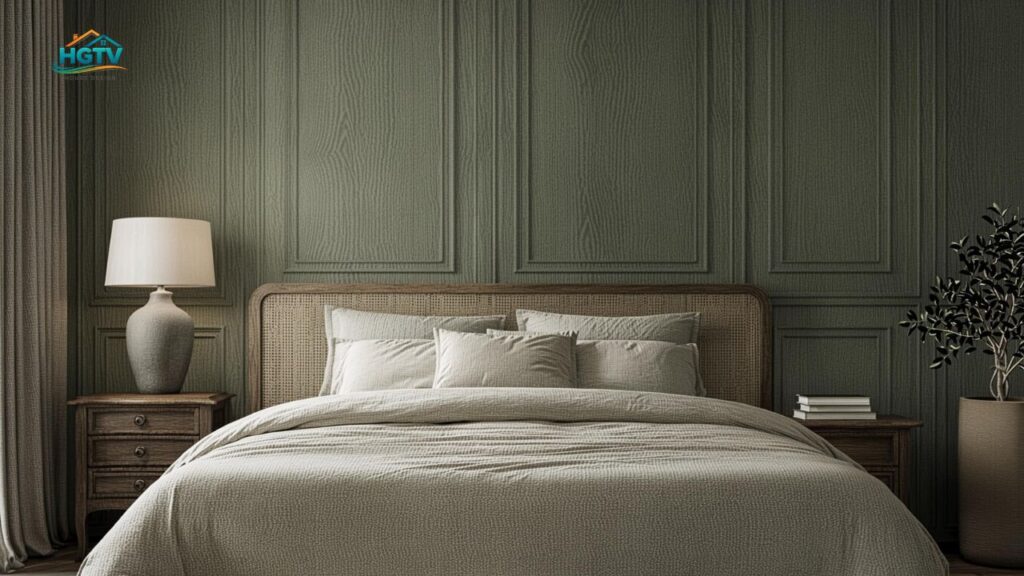
Bedrooms are a great place to soften the look of wall paneling. Instead of making it feel formal, use it to create quiet texture. Full-height square molding behind the bed can act like a custom headboard wall. Half-wall paneling painted in warm neutrals can make the room feel grounded and restful.
Muted green, dusty blue, soft taupe, and creamy white are especially effective here. Upholstered beds, linen curtains, and warm wood furniture pair beautifully with this kind of detail.
Among all wainscoting ideas, bedroom applications often feel the most luxurious for the least visual effort.
Bathroom Wainscoting Ideas
Bathrooms are small enough to take design risks, which makes them perfect for statement paneling. Beadboard is a long-time favorite because it feels charming and relaxed, but flat panel and board and batten styles also work well.
In powder rooms, you can go bolder with color and finish. Deep green, black, navy, or plum on the lower wall paired with wallpaper above can look striking. In family bathrooms, moisture-resistant materials and durable paint matter more than heavy detailing.
Wall paneling in bathrooms also helps break up tile, mirrors, and fixtures, which can make the room feel more designed and less purely functional.
Staircase Wainscoting Ideas
Stair walls are often overlooked, even though they offer a long visual line that can look stunning with the right treatment. Board and batten works especially well here because the vertical lines echo the movement of the staircase.
One smart approach is to keep the paneling simple and let the handrail, lighting, and paint do the rest. Another is to create a gallery wall above the paneling, using the lower trim as a visual anchor.
These wainscoting ideas can make transitional spaces feel as finished as the main rooms in the home.
Popular Wainscoting Styles to Consider
Raised Panel
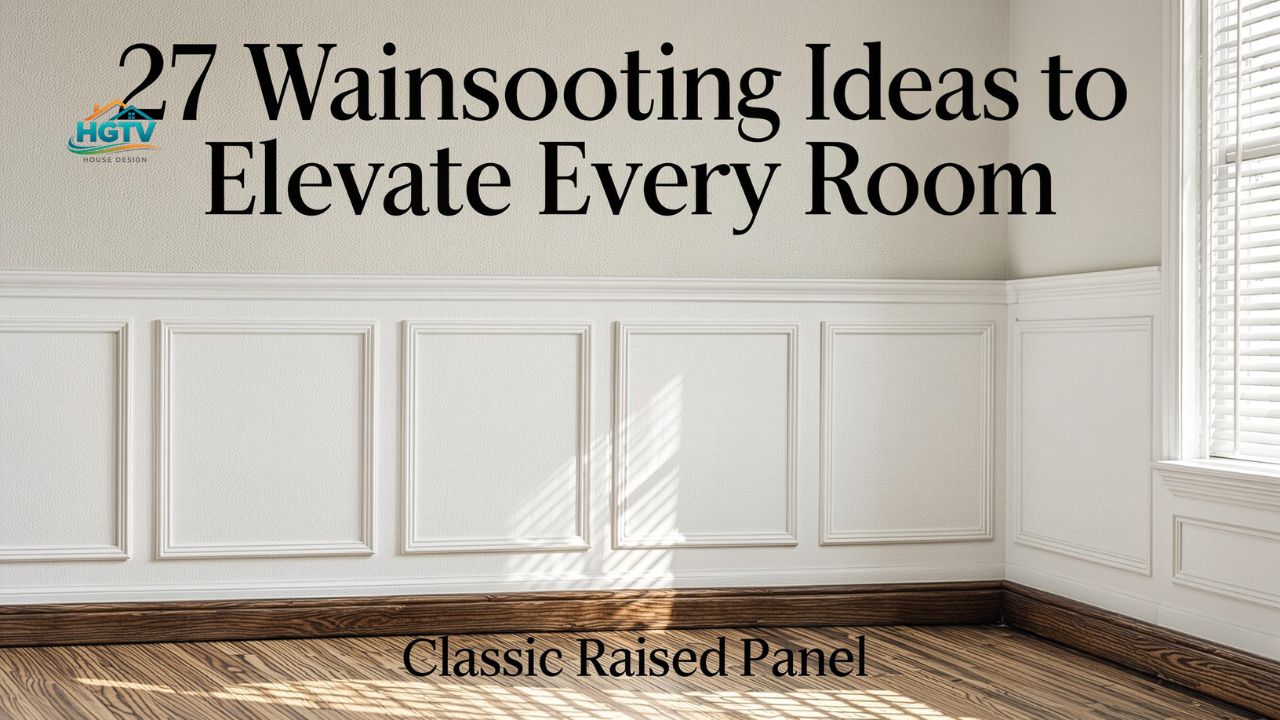
Raised panel wainscoting is the most traditional option. The center panel sits slightly forward, creating depth and formality. It suits historic homes, classic dining rooms, offices, and elegant entryways.
This style tends to look best with detailed trim, taller ceilings, and furniture that leans traditional.
Flat Panel
Flat panel wainscoting is cleaner and simpler. It still gives you structure, but the overall look is more understated. It works well in transitional and modern-classic interiors.
Because it feels quieter, it is one of the easiest styles to live with long term.
Board and Batten
Board and batten uses vertical boards or battens to create rhythm and height. It is common in farmhouse and cottage-inspired homes, though it can look surprisingly modern when done with clean lines and monochrome paint.
It is also one of the more approachable styles for homeowners who want a DIY-friendly project.
Beadboard
Beadboard features narrow vertical grooves and gives off a soft, casual charm. It is a strong fit for bathrooms, breakfast nooks, mudrooms, laundry rooms, and coastal interiors.
It brings texture without feeling heavy, which is why it stays popular year after year.
Picture Frame Molding
This style uses trim to create rectangular or square boxes on the wall. It can be used on the lower half of the wall or across the full height. It looks elegant, but the final effect depends heavily on spacing and proportion.
Among current wainscoting ideas, this one has become a favorite because it feels classic yet still fresh.
Color Ideas That Make Wainscoting Stand Out
Color changes everything. Even a simple trim pattern can feel expensive with the right paint choice.
For a timeless look, paint the paneling white or off-white and keep the upper wall soft and neutral. For something richer, color-drench the wall by painting both the paneling and wall the same shade. This creates depth without harsh contrast.
A few color directions that work especially well include:
Warm whites for bright and classic spaces
Greige and taupe for soft, upscale calm
Sage and muted olive for organic warmth
Navy and charcoal for drama
Dusty blue for relaxed elegance
Black for bold, modern contrast
If you want your wall treatment to feel intentional rather than added on, match the finish to the room’s overall palette, textiles, and flooring.
Budget-Friendly Ways to Get the Look
You do not need a luxury renovation budget to make paneling work. Many beautiful results come from basic trim, good planning, and careful paint choices.
Here are practical ways to save money without making the result look cheap:
Use MDF or budget-friendly trim where moisture is not a concern
Install picture-frame molding on one focal wall instead of the whole room
Keep the design simple rather than overly ornate
Paint existing baseboards and new molding at the same time for a cohesive finish
Focus on smaller spaces first, such as hallways or powder rooms
DIY the layout, then hire a painter for a polished result if needed
Affordable wainscoting ideas often look better than expensive ones when the proportions are right and the installation is neat.
Common Mistakes to Avoid
Choosing the Wrong Height
Height is one of the most common issues. Too low can feel accidental. Too high can overwhelm the room. Always test it with painter’s tape before committing.
Ignoring Proportion
Panel boxes that are too narrow, too wide, or unevenly spaced can make the whole installation feel off. Measuring carefully matters more than adding extra detail.
Using Overly Decorative Profiles
Some molding profiles look nice in the store but feel fussy on the wall. If your home is modern or simple, stick with cleaner trim.
Forgetting About Furniture Placement
Panel layouts should work with windows, light switches, outlets, and major furniture pieces. It should feel integrated into the room, not dropped onto it afterward.
Skipping Surface Preparation
A beautiful design can still look amateur if the caulking, filling, sanding, and painting are rushed. Clean finishing is what makes paneling feel custom.
DIY or Hire a Professional?
That depends on the style, the room, and your comfort with measuring and trim work. Beadboard kits and simple board and batten are often manageable for confident DIYers. Raised panel or large-scale full-wall molding usually benefits from a professional finish.
If you enjoy detail work and have patience, smaller wainscoting ideas can be a satisfying weekend project. If the room is highly visible or the design is complex, hiring help may actually save money by avoiding mistakes and rework.
A good middle ground is to plan and source the design yourself, then bring in a carpenter or handyman for the installation.
How to Make Wainscoting Look Custom
The difference between basic and beautiful often comes down to small decisions. To make your walls look more bespoke:
Align panel spacing with windows and door trim
Use substantial baseboards for a more grounded look
Extend the treatment into adjacent spaces for flow
Pair it with quality paint in a matte or eggshell finish
Add sconces, artwork, or mirrors that work with the panel rhythm
Keep clutter low so the wall detail has room to breathe
The strongest wainscoting ideas do not rely on complexity. They rely on balance, restraint, and thoughtful placement.
FAQ
What is the best height for wainscoting?
A classic guideline is about one-third of the wall height, though many designers now go higher for a more custom look. The right height depends on ceiling height, furniture scale, and the effect you want.
Does wainscoting make a room look smaller?
Not necessarily. When proportioned well, it can actually make a room feel more polished and spacious. Vertical elements like board and batten may even make ceilings feel taller.
Is wainscoting still in style?
Yes. It has remained popular because it adapts easily to classic, modern, farmhouse, and transitional interiors. The style shifts, but the concept stays relevant.
What rooms look best with wainscoting?
Entryways, dining rooms, bedrooms, bathrooms, hallways, staircases, and living rooms all benefit from it. The best room depends on whether you want protection, texture, or a stronger focal point.
Can I install wainscoting on textured walls?
Yes, but smooth walls usually produce the cleanest result. Light texture may be workable, while heavy texture often needs to be sanded or skim-coated first.
What is the cheapest type of wainscoting?
Simple picture-frame molding and basic board and batten are often the most budget-friendly options. Material choice and room size also affect the final cost.
Should wainscoting be lighter or darker than the wall?
Both can work. Lighter tones feel classic and airy. Darker tones add depth and drama. The choice depends on your room size, natural light, and style.
Can wainscoting work in a modern home?
Absolutely. The trick is choosing cleaner lines, simpler trim, and a restrained color palette. Flat panel and minimal picture-frame molding are especially good fits.
Conclusion
Great walls do more than hold paint. They shape how a room feels the second you walk in. That is why wainscoting continues to appeal to homeowners who want character without clutter and detail without chaos.
The most successful wainscoting ideas are not always the fanciest ones. They are the ones that fit the room, suit the home, and feel natural with the way you live. Start with one space, get the proportions right, and let the design build from there. A thoughtful panel treatment can turn an ordinary wall into the detail everyone remembers.